
Step 1
Pressing Repairs (Safety & Function)
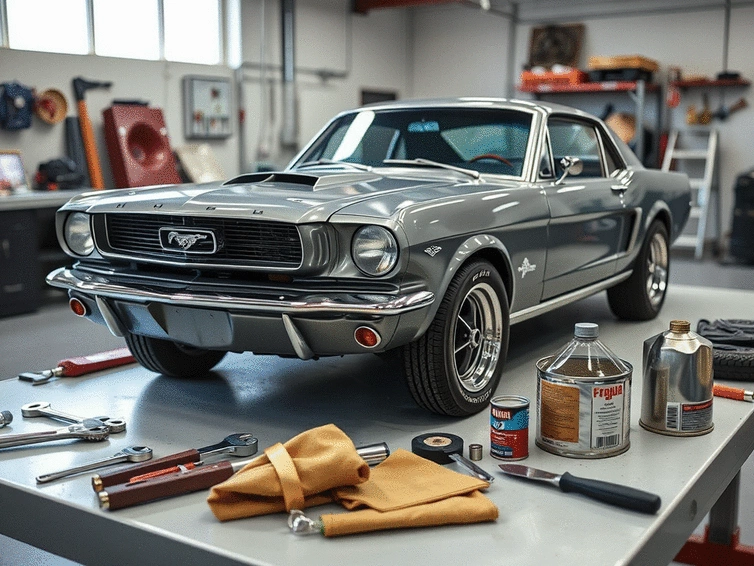
As you embark on your journey of restoring a classic Ford Mustang, consider this: a well-planned project not only revives a piece of automotive history but can also be a cost-effective adventure. So, how can you ensure your restoration is both fulfilling and budget-friendly?
This visual highlights the critical considerations for a budget-friendly Ford Mustang restoration, breaking down the assessment criteria, goal setting, and the advantages of a phased approach.
A thorough initial evaluation of body, frame, and engine guides decisions and prioritizes spending. Documenting conditions helps with informed budgeting.
Clarifying whether to prioritize show-quality aesthetics or functional performance helps align budget with vision, preventing unnecessary expenses.
Pressing Repairs (Safety & Function)
Mechanical Systems (Engine, Suspension)
Cosmetic Enhancements (Paint, Interior)
This strategy distributes costs over time and provides a sense of accomplishment with each completed phase.
Restoring a Ford Mustang on a budget might sound challenging, but with the right approach, it can be both fulfilling and financially prudent. As a lifelong Ford enthusiast, I know firsthand that every Mustang tells a story, and bringing that story back to life doesn’t have to break the bank. Let’s dive into how you can assess your Mustang's condition and set realistic restoration goals while keeping costs manageable!
Before diving into the restoration process, it’s essential to evaluate your Mustang's condition thoroughly. Begin by inspecting areas like the body, frame, and engine. Notable factors to consider include:
These evaluations will guide you in identifying which parts need immediate attention and which can be addressed later. Remember, a well-documented condition will help you make informed decisions as you plan your restoration.
The initial condition of your Mustang greatly influences your restoration budget. For example, a vehicle with minimal rust and a functioning engine will likely require less investment compared to one needing extensive bodywork and mechanical overhauls. Understanding this can help you prioritize your spending effectively. Budgeting wisely means you can allocate funds to the most critical repairs first, ensuring a successful restoration without financial strain. Further insights into typical restoration costs and budgeting strategies can be found through various automotive enthusiast communities and forums, which often share collective experiences to help others budget effectively.
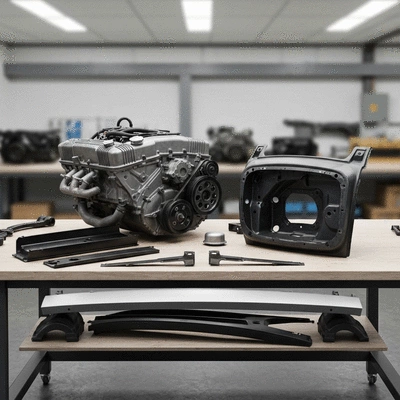
When planning your restoration, it’s crucial to define your goals. Are you looking for a show-stopper, or is it more about functionality? Setting realistic expectations helps to manage your budget effectively. Consider these questions:
With these in mind, you can now adjust your budget to align with your restoration vision. Staying focused on your primary goals will save you from unnecessary expenditures.
A phased restoration approach allows you to tackle projects one step at a time, which can significantly help in managing costs. Start with the most pressing repairs—those that ensure the safety and functionality of your Mustang. Once those are in place, you can gradually move on to cosmetic enhancements. For instance, you might start with engine repairs, then work on the suspension, and finally, paint and interior upgrades. This strategy helps distribute costs over time and provides you with a sense of accomplishment with each completed phase! For more on systematic restoration planning, resources from organizations like the Hagerty Drivers Foundation often provide insights into preserving automotive history and managing restoration projects.
Each generation of the Ford Mustang has its unique quirks and requirements when it comes to restoration. Understanding these can save you both time and money:
By tailoring your restoration techniques to your Mustang’s generation, you ensure a smoother process and potentially lower costs. For detailed, generation-specific restoration guides, enthusiast communities such as those found on Mustang Club of America forums can be incredibly valuable.
Performance upgrades can enhance your driving experience without extensive costs if planned correctly. Think about simple upgrades like a high-flow air filter or a performance exhaust system. These modifications not only improve horsepower but can also be budget-friendly ways to give your Mustang a little extra oomph! Remember, integrating these upgrades during your restoration can save you time and labor costs later on.
Did you know? One of the most effective ways to save on your Mustang restoration is to tackle the smaller projects yourself. Simple tasks like cleaning, detailing, or minor repairs can significantly reduce labor costs. Plus, you'll gain valuable hands-on experience that will help you with more complex restorations later on!
As I reflect on the journey of restoring a Ford Mustang, it becomes clear that building a supportive community can be immensely beneficial. Throughout my restoration adventures, I've discovered that connecting with fellow enthusiasts is vital. Whether you're just starting or deep into your project, finding a community can provide you with invaluable insights and resources.
Engaging with others who share your passion not only brings fresh ideas but also helps you navigate the challenges of restoration. Let's dive into how you can find support and resources along your restoration journey!
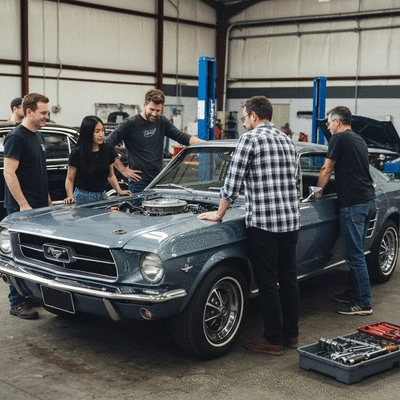
One of the best ways to enhance your Mustang restoration experience is to seek out local workshops and maker spaces. These venues often host events where car lovers come together to collaborate and share their skills. Consider the following options:
Connecting with fellow enthusiasts can lead to friendships and valuable advice. Plus, you can share resources that can make the restoration process more manageable!
When searching for local workshops, don’t hesitate to check social media groups and platforms like Meetup. These places can be treasure troves of information. Many workshops also have dedicated nights for classic car enthusiasts, allowing you to work alongside others who are just as passionate about Mustangs as you are.
Joining a Ford Mustang club can significantly enhance your restoration experience. These clubs often provide access to exclusive resources, expert advice, and a network of fellow enthusiasts who can share their restoration stories. You might find:
Engaging with clubs not only enriches your knowledge but can also provide a sense of belonging within the Mustang community.
In today's world, incorporating sustainable practices into your restoration project is more important than ever. Not only does it benefit the environment, but it can also reduce costs in the long run. Here are some eco-friendly strategies to consider:
By prioritizing eco-friendly methods, you can embrace a more sustainable approach to your restoration while still celebrating the legacy of your Mustang!
Nothing is more inspiring than hearing about the triumphs of others in the Mustang community. Case studies of budget-friendly restorations can provide insights into what works and what doesn't. I often share stories from enthusiasts who have successfully navigated their restoration projects, highlighting:
These stories remind us that every restoration journey is unique and filled with opportunities for growth and learning!
As you embark on your Mustang restoration, utilizing budget calculators and resources can help you stay on track. These tools assist in breaking down costs and managing your budget effectively. And don’t forget—engaging with online communities can also provide additional advice and insights to help you make informed decisions.
With the right tools, support, and community, your Mustang restoration can not only be a rewarding experience but also a celebration of your passion for these incredible vehicles!
Here is a quick recap of the important points discussed in the article:

Consider this: a used Ford can not only save you money but also provide you with a wealth of feature
2026 Ford Mustang Redefines Performance Driving

Are you ready to experience the thrill of the 2026 Ford Mustang? This latest model is not just a car
Ford Warranty and Modifications Guide

What if you could customize your Ford without worrying about voiding your warranty? Understanding th
Buying a Used Ford: Insights
2026 Ford Mustang Redefines Performance Driving
Ford Warranty and Modifications Guide
Maximize Your Ford Lightning's Performance
Restoring Ford Classics: Keep It Original