
Restoration
Often viewed as replacing components, but can also mean repairing and maintaining original parts.
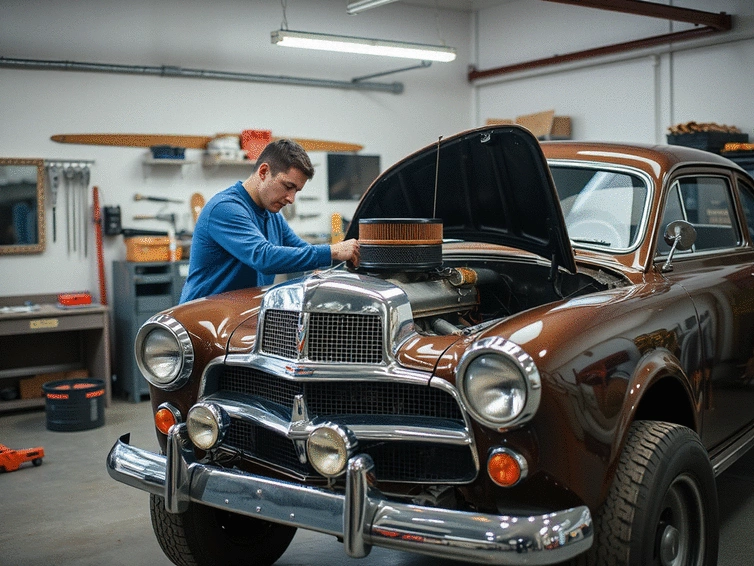
Restoring a classic Ford is more than just a hobby; it's a way to keep history alive. As you embark on this exciting journey, consider the profound impact that originality has on preserving automotive culture. Ready to dive deep into the art of restoration?
This visual outlines the key distinctions between restoration approaches, essential factors for historical accuracy, and the balance between preservation and modernization.
Often viewed as replacing components, but can also mean repairing and maintaining original parts.
Focuses on keeping the car as close to its factory condition as possible.
A blend of restoration and modernization, often diverging from original specifications.
When it comes to Ford classic car restoration, maintaining originality is crucial. Originality not only respects the vehicle's heritage but also contributes to its value and authenticity. As a lifelong Ford enthusiast, I can personally attest to how the details matter—every scratch, every piece of old chrome, tells a story of the car's past. So, let’s dive into why originality holds such an important place in classic car culture.
Originality plays a significant role in preserving the essence of classic Ford cars. It connects the owners to a rich history where each model represents the heart of automotive innovation. When you drive a restored Mustang or a vintage truck, you’re not just driving a car; you’re experiencing a piece of history! Here are a few reasons why originality is essential:
By restoring your classic Ford to its former glory, you are not only preserving its value but also passing on its story to future generations of car lovers. For further guidance on maintaining historical integrity, the Antique Automobile Club of America (AACA) provides comprehensive judging guidelines that emphasize originality.
One prevalent misconception surrounding classic car restoration is the idea that restoration means complete overhaul. Some enthusiasts believe that to restore a car, every part must be replaced or modernized. However, true restoration is about preservation. This means keeping as many original parts as possible while making necessary repairs. Many of us, including myself, have seen the joy that comes from preserving the character of a classic Ford!
Understanding these differences can greatly enhance your approach to classic car projects and ensure that you’re honoring the vehicle's legacy. For more detailed information on caring for your vintage Ford, The Henry Ford museum offers valuable resources on motorized vehicle care, reinforcing the importance of preservation.
Historical accuracy is essential in the restoration process. It ensures that every detail aligns with the car's original specifications, making for a more authentic restoration. This commitment is what makes a classic Ford stand out at shows and gatherings! Here are some key factors to consider:
As you embark on your restoration journey, remember that each step taken towards historical accuracy not only honors your classic Ford but also enriches its story for all who admire it.
To enhance the authenticity of your Ford classic car restoration, consider sourcing parts from reputable classic car parts suppliers. Not only do they provide original components, but they often have valuable insights into the history and specifications of the parts, ensuring your restoration remains true to its roots.
Maintaining originality is crucial because it preserves the vehicle's heritage, significantly contributes to its value, and ensures its authenticity. Original parts and features reflect the era's craftsmanship and engineering, connecting owners to a rich history.
Restoration involves repairing and maintaining original parts, sometimes replacing components to bring the car back to its original condition. Preservation focuses on keeping the car as close to its factory condition as possible, emphasizing minimal intervention. Restomod is a blend of restoration and modernization, where classic cars are updated with modern components for performance or comfort, often diverging from original specifications.
Historical accuracy ensures that every detail of the restored vehicle aligns with its original specifications. This commitment makes the restoration more authentic, increases its value, and enhances its appeal at shows and gatherings. It involves thorough research, meticulous documentation, and consulting experts.
Balancing preservation with modernization means thoughtfully integrating modern enhancements without compromising the vehicle's original character. This can include preserving the original engine and transmission while upgrading safety features (e.g., brakes, seat belts) or enhancing performance in a way that respects its classic roots.
Sustainable practices include utilizing recycled materials where possible, choosing energy-efficient parts and components, and researching environmentally friendly paint options. These practices not only align with eco-friendly values but also contribute to the long-term viability and value of your classic Ford.
You can find support by engaging with the Ford classic car community, including local Ford clubs, online forums, and social media groups. Additionally, reputable classic car parts suppliers, swap meets, car shows, and expert mentors can provide invaluable resources, authentic parts, and guidance.
Restoring a classic Ford isn’t just a project; it’s a journey steeped in passion and dedication. As we reflect on the essentials of preservation versus modernization, it’s crucial to strike a harmonious balance. Our Ford Power community thrives on this very principle, ensuring that every restoration maintains the vehicle's original spirit while embracing modern enhancements that can improve performance and safety.
It’s all about finding that sweet spot where your classic Ford can shine without losing its heritage. The future of your restoration will depend on how well you navigate these choices while keeping that unmistakable Ford charm!
As we dive into the heart of restoration, many enthusiasts often grapple with the need to preserve original features versus making upgrades. A successful restoration should reflect the heritage of the Ford brand while allowing for thoughtful modernization that respects its classic roots. Think carefully about which aspects to enhance and which to keep as is.
Ultimately, each decision contributes to the story your vehicle tells. Embrace the journey of balancing these elements while engaging with fellow enthusiasts who share your vision!
As we look to the future, sustainability has become a pivotal aspect of automotive restoration. Future-proofing your classic Ford can not only enhance its value but also align with eco-friendly practices. By integrating sustainable elements, you contribute to a greener automotive community. Here are some steps to consider:
By implementing these practices, you ensure that your Ford not only stands the test of time but also respects our environment. It’s our responsibility as enthusiasts to preserve these classic vehicles for future generations!
The classic car market is ever-evolving, with trends shifting as new generations of enthusiasts enter the scene. Staying informed can greatly benefit your restoration project, whether you’re looking to maintain value or simply want to ensure your car is appreciated by others. Here’s what to watch:
Understanding these trends will help you navigate the market and make informed decisions, enhancing both your restoration experience and the legacy of your cherished Ford classic! For example, recent DVLA rule changes regarding classic vehicle registrations can significantly impact market trends and restoration choices.
One of the best aspects of being a Ford enthusiast is the vibrant community that surrounds us. Whether you’re a newcomer or a seasoned pro, connecting with others who share your passion can provide invaluable support and inspiration. Look for local Ford clubs or online forums where you can exchange knowledge, experiences, and tips.
These connections not only enhance your knowledge but also foster friendships that can last a lifetime. Remember, we’re all in this together, celebrating the legacy of Ford!
When it comes to sourcing parts for your restoration, the right resources can make all the difference. Authenticity is key, so I recommend tapping into both online and local outlets for the best options. Here are some reliable sources:
Always verify the authenticity of the parts you source to ensure they meet the standards of your restoration project. This dedication will help you preserve the true spirit of your Ford classic!
Engaging in classic car shows and events can be a rewarding experience for any Ford enthusiast. It’s not just about showcasing your hard work but also about connecting with fellow fans, sharing stories, and learning from others. Participating in these events has numerous benefits:
So grab that classic Ford, polish it up, and hit the circuit! It’s a fantastic way to celebrate your passion and inspire others on their restoration journeys.
If you’re ready to embark on your own restoration adventure, the first step is to gather resources and start planning. Take time to assess what you want to achieve and outline your project scope. Whether you’re restoring a classic Mustang or a vintage F-150, the journey begins with a clear vision!
With a solid plan in place, you’ll be well on your way to reviving that piece of Ford history!
No restoration project is too small to benefit from expert advice. Reaching out to seasoned restorers or automotive historians can provide insights that enhance your understanding and execution of the project. Don’t hesitate to ask for guidance!
Expert support can make all the difference, ensuring your restoration stays on track and aligns with best practices!
Budgeting is a crucial component of any restoration project. Understanding the costs involved can help you avoid surprises and ensure a smooth journey. Start by breaking down potential expenses into manageable categories:
By clearly defining your budget, you’ll be prepared to tackle the restoration process with confidence and excitement. Remember, each investment you make is a step closer to breathing new life into your Ford classic!
Here is a quick recap of the important points discussed in the article:
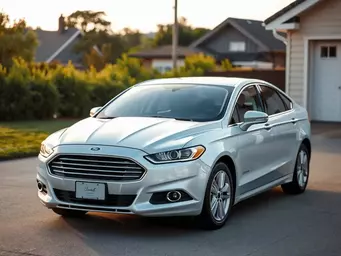
Consider this: a used Ford can not only save you money but also provide you with a wealth of feature
2026 Ford Mustang Redefines Performance Driving
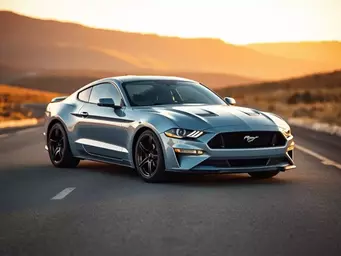
Are you ready to experience the thrill of the 2026 Ford Mustang? This latest model is not just a car
Ford Warranty and Modifications Guide
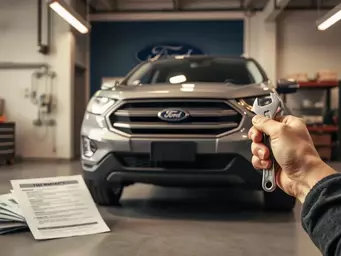
What if you could customize your Ford without worrying about voiding your warranty? Understanding th
Buying a Used Ford: Insights
2026 Ford Mustang Redefines Performance Driving
Ford Warranty and Modifications Guide
Maximize Your Ford Lightning's Performance
Restoring Ford Classics: Keep It Original