
Evaluating Engine & Drivetrain Performance
Crucial for understanding longevity and performance.
- Compression Tests
- Fluid Conditions
- Initial Engine Start Assessments
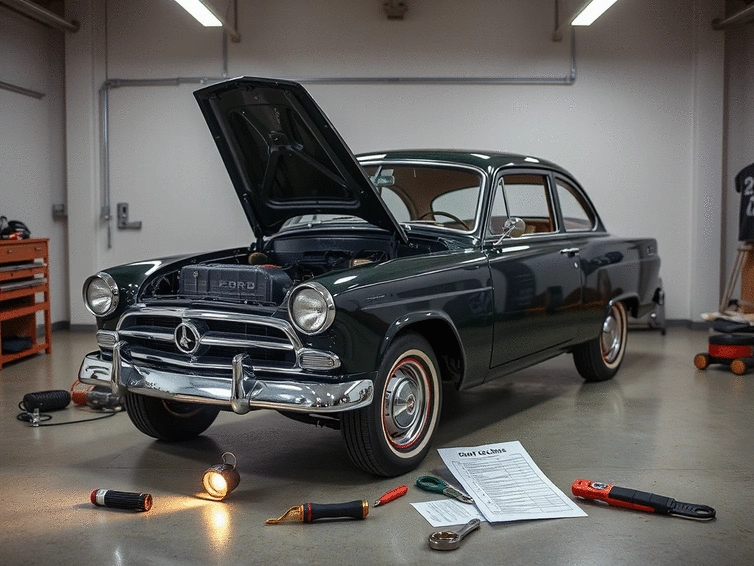
As you prepare to embark on your journey of restoring a classic Ford, one critical step stands out: a thorough inspection of the vehicle. This process not only safeguards your safety but ensures your investment is sound. So, what are the essential lessons to take away?
A thorough inspection is crucial for a successful classic Ford restoration. This visual highlights the critical areas to assess, ensuring both safety and value.
Crucial for understanding longevity and performance.
Prevents expensive repairs and ensures smooth operation.
Essential for safety, performance, and longevity.
Enhances comfort, adds value, and ensures safety.
Restoring a classic Ford is an adventure that combines passion, history, and mechanics. However, before diving into this exciting journey, it’s essential to conduct a thorough inspection of the vehicle. This step is crucial not only for ensuring safety but also for managing your budget effectively. A structured approach can save you time, money, and heartache down the road!
When it comes to classic Fords, every detail matters. A detailed inspection helps identify potential issues early, allowing you to make informed decisions about what needs to be repaired or replaced. Without this crucial step, you might find yourself facing unexpected repairs that could derail your project. So, let's talk about why having a detailed checklist is not just helpful—it's essential!
A detailed checklist serves as your roadmap for inspections. Here are a few reasons why it’s key:
Having this structured approach can make the difference between a smooth restoration and a frustrating experience. Remember, a well-prepared checklist not only protects your investment but also enhances your pride in the restoration process.
Evaluating a classic Ford’s condition goes beyond just the surface; it’s about recognizing how inspection impacts both pre-purchase evaluations and restoration decisions. Think of it this way: a thorough inspection can reveal hidden defects that might not be visible at first glance. This knowledge can influence whether you decide to proceed with the purchase or walk away. For insights into what to look for, Ford provides extensive resources on certified pre-owned vehicle inspections, which can be adapted for classic models.
Key factors to consider in your assessment include:
Remember, a comprehensive inspection can save you from making costly mistakes. By identifying potential issues early on, you’re not just protecting your investment—you're also preserving a piece of automotive history.
When it comes to inspecting classic Fords, there are several critical areas to focus on. Each aspect plays a vital role in evaluating the overall health of the vehicle. Let’s break it down!
Your first step should be evaluating the engine and drivetrain. Here’s what you need to check:
These checks are vital to understanding the engine’s performance and longevity. A well-functioning drivetrain is essential for a smooth ride and can significantly reduce your repair costs down the line!
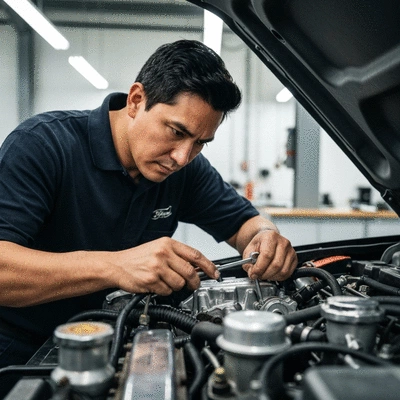
The condition of the transmission is equally important. Here’s a quick checklist to guide you:
A transmission in good shape ensures that your classic Ford performs as it should. Ignoring these checks can lead to expensive repairs down the line!
The body and frame are often where hidden problems lurk. Here’s how to conduct a thorough inspection:
Addressing these concerns early on can prevent larger issues later. A solid body and frame are essential for the longevity of your restoration project.
Don’t overlook the interior and electrical systems! Here’s what you should consider:
Addressing electrical issues now can save you headaches later. A reliable interior not only enhances comfort but also adds value to your classic Ford.
Your electrical system plays a critical role in safety and performance. To evaluate the wiring system properly:
Proper wiring is essential for safety and reliability. Don’t wait for a failure to address these issues!

Finally, let’s discuss the crucial safety components of your classic Ford. Here’s what to evaluate:
Prioritizing these checks can save lives. A well-functioning safety system is non-negotiable in any restoration project!
When conducting your classic Ford inspection, consider investing in a borescope. This handy tool allows you to visually inspect hard-to-reach areas, such as the insides of the engine and frame. By identifying hidden issues early on, you can make more informed decisions about repairs and avoid costly surprises later in your restoration journey!
A thorough inspection is crucial for ensuring safety, managing your budget effectively by identifying potential issues early, and making informed decisions about repairs. It prevents unexpected costs and derailments in your restoration project.
Key inspection areas include the engine and drivetrain performance (compression tests, fluid conditions), transmission condition (fluid levels, signs of wear), body and frame integrity (rust-prone areas, frame damage), interior and electrical systems (upholstery, wiring integrity, water damage), and safety systems (brakes, steering, suspension).
A detailed checklist ensures consistency by covering every vital area systematically. It aids in budget awareness by revealing potential issues upfront, prioritizes safety by identifying concerns like brake problems or rust, and helps in assessing the car's true value for maximization.
Factors influencing value include rust damage in critical areas, the overall condition of the engine, the presence of original parts, and comprehensive documentation such as service records. These elements can significantly impact the car's market value and restoration decisions.
You can utilize downloadable inspection forms and checklists tailored for classic Ford evaluations, visual guides and how-to videos for step-by-step instructions, and engage with classic car clubs for community support, shared experiences, and exclusive technical resources.
When diving into the inspection of a classic Ford, having the right resources can make all the difference! At Ford Power, we know how crucial it is to equip yourself with comprehensive tools and guides. That's why we've curated a selection of resources to bolster your inspection efforts, ensuring that every detail is meticulously covered.
Utilizing a structured approach during inspections is vital, and having a detailed checklist at your fingertips is a game changer. We provide downloadable inspection forms tailored specifically for classic Ford evaluations. These forms help you systematically assess various areas of the vehicle, from the engine to the interior. Here are a few key features of our checklists:
By using these forms, you can ensure nothing important is overlooked, helping you stay organized and focused throughout your restoration journey. For more comprehensive guidelines on vehicle assessments, you can refer to the Ford Blue Advantage Certification standards.
Sometimes, seeing is believing! Incorporating visual aids such as diagrams and how-to videos can significantly enhance your understanding of inspection techniques. At Ford Power, we curate a collection of resources that visually demonstrate critical inspection methods. Consider these benefits:
These resources not only make the process more engaging but also provide clarity on complex inspection tasks, boosting your confidence as you evaluate your classic Ford.
One of the most enriching aspects of classic car ownership is the community that comes with it! Joining classic car clubs can provide invaluable support and resources. Through these clubs, you can:
Being part of a community not only enhances your knowledge but also fosters friendships and connections that can last a lifetime. Don't underestimate the power of camaraderie in your classic Ford restoration journey! Additionally, understanding state-specific requirements for unique vehicle inspections, like those for classic cars, can be extremely helpful.
As we wrap up this section, remember that thorough inspections are the backbone of any successful restoration endeavor. From assessing the engine to evaluating the body and interior, every detail counts. With a robust plan and the right resources, you're well on your way to reviving a classic Ford that echoes the legacy of automotive excellence!
Are you ready to take the plunge into your classic Ford restoration? Utilize our checklist and resources to kickstart your journey. Don't hesitate to engage with the community, share your experiences, and seek insights from fellow enthusiasts. Let’s keep the passion for classic Fords alive together!
Here is a quick recap of the important points discussed in the article:

Consider this: a used Ford can not only save you money but also provide you with a wealth of feature
2026 Ford Mustang Redefines Performance Driving

Are you ready to experience the thrill of the 2026 Ford Mustang? This latest model is not just a car
Ford Warranty and Modifications Guide
What if you could customize your Ford without worrying about voiding your warranty? Understanding th

Buying a Used Ford: Insights
2026 Ford Mustang Redefines Performance Driving
Ford Warranty and Modifications Guide
Maximize Your Ford Lightning's Performance
Restoring Ford Classics: Keep It Original