
Researching Production History & OEM Part Numbers
Understanding production history and tracing specific OEM part numbers is foundational for authenticity.
- ● Check Historical Databases
- ● Join Enthusiast Groups
- ● Contact Ford Archives
STEP 1
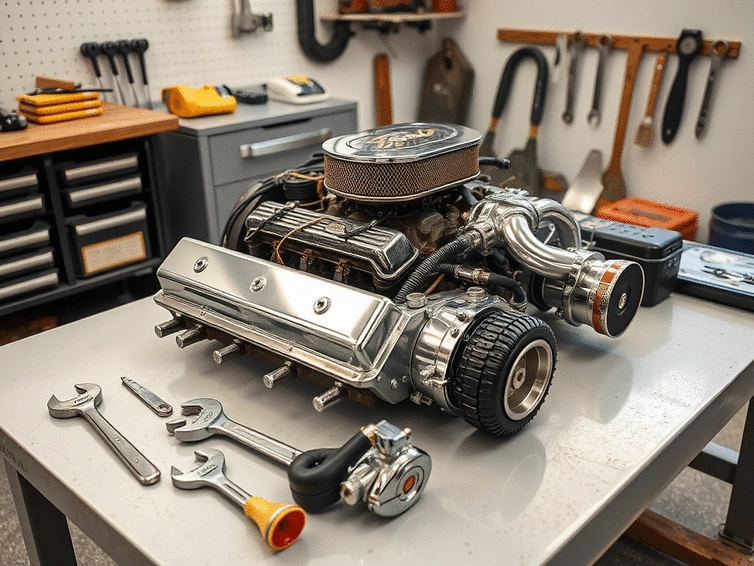
With the right resources and community support, restoring a classic Ford is more than just a project; it’s about preserving a piece of automotive history. Are you ready to dive into the world of rare parts for your classic Ford? Here’s what you’ll discover!
Restoring a classic Ford is a labor of love, marked by distinct stages from initial research to engaging with the community, each presenting unique challenges and opportunities. This visual outlines the critical steps involved in ensuring authenticity and finding those elusive parts.
Understanding production history and tracing specific OEM part numbers is foundational for authenticity.
Discontinued parts present hurdles like limited inventory and high demand, often leading to inflated prices.
Leveraging cross-model compatibility can significantly expand sourcing options and reduce costs.
Connecting with fellow enthusiasts provides invaluable support, tips, and opportunities for finding rare parts.
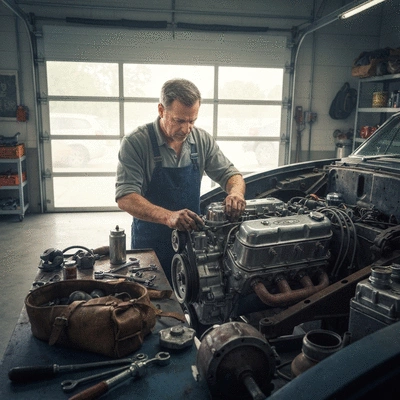
As a lifelong Ford enthusiast, I can tell you that restoring a classic Ford car isn’t just a project; it’s a passion that requires dedication and the right components. One of the critical elements in this journey is sourcing rare parts. Using original and high-quality reproduction parts is essential for preserving the value and integrity of your Ford classic car. Authenticity matters, and these components help maintain the vehicle’s legacy while enhancing its performance and aesthetic appeal.
When it comes to restorations, every detail counts. For instance, using OEM parts can ensure that your restoration is true to the vehicle’s design, which is something that Ford Power stands behind strongly. You can find a complete guide to Ford classic car restoration online to help initiate your project. With the right parts, you’re not just putting a car back together; you’re honoring its history and the passion that went into creating it.
When embarking on a restoration, understanding the importance of authenticity can't be overstated. Utilizing original parts ensures that you maintain the character and performance that Ford intended. Plus, it typically enhances the resale value. Many collectors and fans, like myself, will pay a premium for vehicles that boast original components. For beginners, it's helpful to review these 12 best beginner tips for classic car restoration to set the right foundation.
Thus, whether refurbishing a vintage Mustang or a classic Thunderbird, it’s vital to seek parts that uphold the car’s original specifications. This commitment to authenticity not only brings your classic back to life but also enriches the entire restoration experience.
To successfully locate rare parts, you need to start with research. Understanding the production history is crucial. This involves not just knowing how many units were made, but also tracing the specific OEM part numbers. These numbers are your golden ticket—they help verify the authenticity of the parts and ensure they’re the right fit for your vehicle.
By familiarizing yourself with these details, you can confidently approach parts sourcing, knowing that you’re on the right track to keeping your restoration authentic.
Finding discontinued OEM parts can present some real challenges. Production runs are often limited, and once they’re out of stock, they can be almost impossible to find. This is especially true for rare Ford models, where enthusiasts may have already snapped up available parts.
However, don’t be discouraged! Each challenge presents an opportunity to connect with the broader community of Ford lovers who share the same passion. We at Ford Power can help guide you through these hurdles with tips and resources to enhance your search.
Understanding parts interchangeability is a game changer when sourcing rare parts for various Ford classic models. Many components from different models can be swapped, which opens up a wider range of options for restorers. For instance, certain engine parts from a 1967 Mustang might fit perfectly into a 1969 model.
By tapping into this knowledge, you can expand your choices and potentially save on costs, all while keeping your restoration authentic and true to the Ford legacy!
According to a recent survey, over 70% of classic car enthusiasts believe that using original parts enhances the overall value and appeal of their restorations. This highlights just how critical authenticity is in the restoration community!
A1: Authenticity is crucial for preserving the vehicle's original character, performance, and market value. Using original or high-quality reproduction parts ensures that the restoration is true to the vehicle's design, making it more attractive to collectors and enhancing its legacy.
A2: Begin by understanding the production history of your specific model and tracing OEM part numbers. Utilize historical databases, join enthusiast groups, and consider contacting Ford Archives for invaluable information on production specifics.
A3: Challenges include limited inventory (as parts may have been produced in small quantities), high demand leading to inflated prices, and the time-consuming nature of searching for these elusive components.
A4: Parts interchangeability allows you to use components from different Ford models that are compatible with your classic car. This strategy can significantly expand your sourcing options, reduce costs, and still maintain the authenticity of your restoration.
A5: Engaging with the restoration community (e.g., online forums, car clubs, workshops) provides invaluable support, tips, and leads on hard-to-find components. It's a great way to share experiences, gain knowledge, and connect with fellow enthusiasts who might have the parts you need or know where to find them.
As we wrap up our discussion on sourcing rare parts for your Ford classic car, it's important to remember a few key takeaways. Persistence is crucial! Navigating the world of rare parts can be daunting, but with determination and the right resources, you can uncover the components that will bring your restoration project to life. Engaging with the Ford Power community and utilizing the tools at your disposal will significantly enhance your chances of success.
Every enthusiast's journey is unique, but sharing our experiences can pave the way for others. For a deeper dive into restoration processes, explore step-by-step procedures to restoration. Remember, the world of classic car restoration is not just about the cars; it's about the people. Connecting with fellow Ford fans can lead to invaluable tips and perhaps even a lead on that elusive part you need!
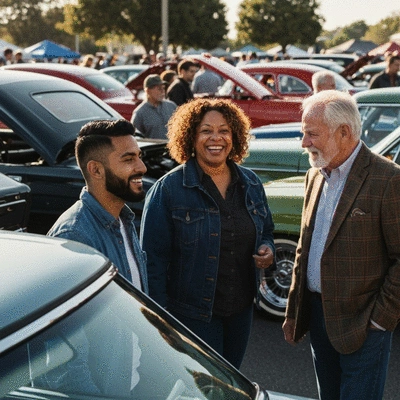
Don't hesitate to dive into the vibrant restoration community. Engaging with fellow enthusiasts not only enriches your knowledge but also offers opportunities to share stories, tips, and resources. Here are a few ways to connect:
By building relationships within these networks, you’ll find a wealth of support and information. Plus, you might just make a few friends who share your passion for classic Ford vehicles!
Ready to take the next steps in your restoration journey? Here are some actionable steps to help you stay organized and focused:
Having a clear plan will keep you motivated as you work through your project. Remember, every little progress counts towards achieving your dream restoration!
Participating in classic car shows and clubs is an excellent way to expand your network. Not only can you showcase your work, but you can also meet seasoned restorers who have valuable insights to share. Here’s why attending these events is beneficial:
So, don’t shy away from showing off your Ford classic! The connections you build at these events can lead to finding that hard-to-source part or even inspire your next restoration project.
Here is a quick recap of the important points discussed in the article:
Consider this: a used Ford can not only save you money but also provide you with a wealth of feature
2026 Ford Mustang Redefines Performance Driving

Are you ready to experience the thrill of the 2026 Ford Mustang? This latest model is not just a car
Ford Warranty and Modifications Guide
What if you could customize your Ford without worrying about voiding your warranty? Understanding th
Buying a Used Ford: Insights
2026 Ford Mustang Redefines Performance Driving
Ford Warranty and Modifications Guide
Maximize Your Ford Lightning's Performance
Restoring Ford Classics: Keep It Original