
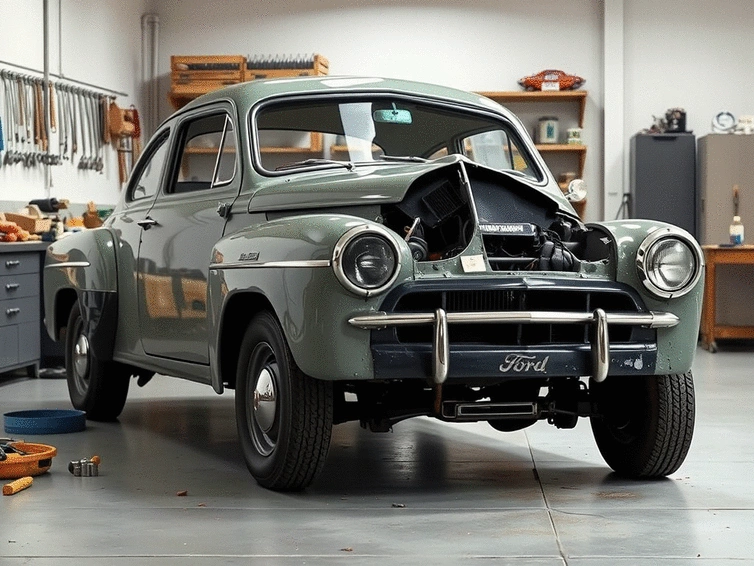
Restoring Ford Classics on a Budget
Restoring a classic Ford car is not just an investment in a vehicle; it's a journey of passion and craftsmanship. As you embark on this adventure, understanding the financial landscape can make the difference between a dream turned reality and a road full of unexpected bumps. What can you expect when navigating the costs of restoration?
What You Will Learn
- Restoration costs can vary widely, with full restorations ranging from $20,000 to over $100,000.
- Understanding the difference between full, partial, and cosmetic restorations will help tailor your budget.
- Labor costs typically range from $50 to $150 per hour, influencing your decision on DIY versus professional work.
- Engaging in DIY projects not only saves money but also enhances your skills and satisfaction in the restoration process.
- Having the right tools, such as socket sets and safety gear, is essential for successful DIY restorations.
- Connecting with the Ford community provides invaluable support and resources for your restoration journey.
- Attending classic car shows can inspire and inform your restoration efforts while expanding your network.
Ford Classic Car Restoration Estimated Costs & DIY Potential
This visual outlines the estimated costs for different types of Ford classic car restorations and highlights areas where DIY efforts can save money.
Understanding the Costs of Ford Classic Car Restoration on a Budget
Restoring a classic Ford car can be a thrilling journey filled with nostalgia and a sense of accomplishment. However, it’s important to understand the costs involved in this rewarding venture. Depending on the scope of your project, budget ranges can vary significantly. For instance, full restorations may run anywhere from $20,000 to over $100,000, while partial restorations can start as low as $5,000. These figures are supported by insights from AutoBidMaster's Classic Car Restoration Cost Guide, which provides a comprehensive overview of expenses.
When planning your restoration, it's essential to consider both parts and labor costs. Each Ford model has its unique challenges and expenses. Knowing what to expect can help you manage your budget effectively and ensure that your dream car doesn’t break the bank!
Breaking Down Classic Car Restoration Costs
- Full Restoration: Comprehensive restorations that include bodywork, engine overhaul, and interior work.
- Partial Restoration: Focused efforts on specific areas like engine tuning or exterior paint.
- Cosmetic Restoration: Upgrading the car’s appearance without extensive mechanical work.
Each of these categories comes with its own set of costs, which can be influenced by factors such as the car’s condition and your personal goals. As a Ford enthusiast, it’s important to prioritize what matters most to you in the restoration process, whether it’s preserving the car's original features or customizing it for performance. Further details on how to budget for these varying restoration types can be found in resources like Hagerty's guide on classic car restoration budgeting.
Labor Costs: What to Expect
Labor costs can have a significant impact on the total expenses of your restoration project. Typical rates for skilled automotive labor can range from $50 to $150 per hour, depending on the shop's location and reputation. Understanding these rates will help you decide when to tackle a project yourself and when to seek professional help.
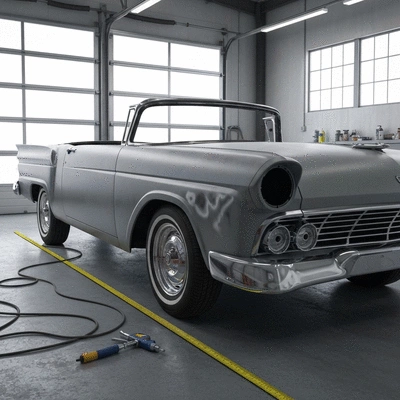
For example, if you're planning a full restoration that involves intricate tasks like engine rebuilding or bodywork, hiring a professional might be the best approach. However, many enthusiasts find that they can save on costs by handling simpler tasks, allowing them to keep more of their budget for professional work where it's most needed.
DIY Restoration: When It’s Worth It
If you’re passionate about Ford vehicles and eager to get your hands dirty, a DIY restoration can be incredibly fulfilling! Not only does it save you money, but it also allows you to learn more about your car and build your skills. But where do you start? Let’s explore some beginner-friendly tasks that any enthusiast can tackle.
Identifying Beginner-Friendly Tasks for DIY Projects
- Exterior Detailing: Cleaning and polishing your Ford’s surface to restore its shine.
- Interior Restoration: Simple tasks like replacing upholstery or updating the dashboard.
- Basic Mechanical Work: Changing oil, replacing spark plugs, and other routine maintenance.
These tasks not only help you learn the ropes but also make a noticeable difference in your classic Ford. If you’re willing to put in the time and effort, you might be surprised at what you can achieve!
Essential Tools for DIY Classic Car Restoration
Before embarking on your restoration journey, having the right tools can make all the difference! Here’s a quick list of must-have tools that won’t break the bank:
- Socket Set: Essential for most mechanical tasks.
- Wrenches: A variety of sizes will come in handy!
- Basic Painting Supplies: Brushes, rollers, and spray guns for touch-ups.
- Safety Gear: Gloves, goggles, and a mask to protect yourself during work.
You can often find these tools at your local hardware store or even online at budget-friendly prices. Investing in a solid toolkit will set you up for success as you dive into your restoration project!
Common DIY Restoration Techniques for Enthusiasts
Many Ford enthusiasts love to roll up their sleeves and tackle restoration projects on their own. Here are some effective techniques that can help you achieve stunning results:
- Bodywork and Painting: Learning to fill dents and scratches can save you a lot of money!
- Electrical Repairs: Understanding basic wiring can help you troubleshoot and fix issues.
- Engine Maintenance: Familiarizing yourself with your engine can lead to better performance.
By using these techniques, you can not only save money but also enjoy the satisfaction of restoring your Ford classic exactly how you envision it. Remember, every project is a learning experience, so embrace the journey!
Pro Tip
Did you know? One of the best ways to save on restoration costs is to source parts from reputable online marketplaces and local swap meets. This can significantly reduce expenses while providing you with the opportunity to find unique pieces that enhance your classic Ford's character! This tip is echoed in advice from outlets like MyStarCollectorCar, which emphasizes cost-saving strategies for classic car projects.
Key Takeaways on Ford Classic Car Restoration Strategies
Restoring a Ford classic car is an exciting journey that combines passion and skill. Throughout this article, we've explored essential strategies for restoration while emphasizing the importance of budgeting effectively. From understanding restoration costs to deciding between DIY projects and professional help, each step is crucial for a successful outcome.
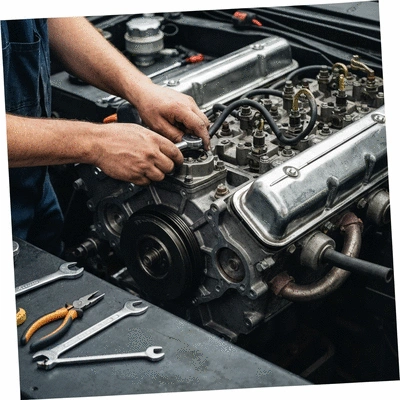
Remember, whether you’re diving into a complete restoration or just sprucing up your beloved Ford, having a clear financial plan will help you stay on track. By setting realistic goals and timelines, you can manage your expectations and enjoy the process even more.
- Understand the different levels of restoration and their associated costs.
- Identify which tasks are suitable for DIY versus those that require professional help.
- Keep your project organized to avoid scope creep and budget overruns.
- Engage with the Ford community to share insights and gather support.
As a Ford enthusiast, I know that the journey is just as rewarding as the destination. Embrace each phase of your project, and you'll not only restore a vehicle but also create lasting memories along the way!
Next Steps for Your Restoration Journey
As you consider your next moves, think about whether you want to tackle your restoration project independently or enlist professional services. Each choice has its benefits, and aligning your decision with your skills and budget will set you up for success. Remember, there’s no right or wrong path—just the one that feels right for you!
Don't hesitate to jump into the world of classic car restoration. It's a chance to learn, grow, and connect with other Ford enthusiasts who share your passion. Plus, starting with smaller projects can help build your confidence and skills for future endeavors.
Engage with the Community and Share Your Experiences
One of the best ways to enhance your restoration journey is by engaging with online communities. Forums and social media groups dedicated to Ford restoration are filled with passionate individuals eager to share their experiences and insights. You’ll find tips, tricks, and support that can make your project smoother!
- Join Ford enthusiast forums to ask questions and share your progress.
- Follow social media accounts that focus on Ford restoration for daily inspiration.
- Consider starting a blog or social media page to document your journey.
Connecting with fellow enthusiasts not only provides valuable resources but also creates a sense of belonging in the Ford community. So, don’t be shy—share your story and learn from others!
Exploring Classic Car Shows and Events for Inspiration
Attending classic car shows and events is a fantastic way to gather ideas and inspiration for your restoration project. These gatherings allow you to see meticulously restored Fords up close and talk to their owners about their experiences. Plus, you can network with other enthusiasts who can offer advice and support.
- Look for local classic car shows in your area—many welcome all makes and models!
- Participate in Ford meetups to connect with like-minded fans.
- Take notes on restoration techniques and styles that catch your eye.
Not only will you gain insights from seasoned restorers, but you’ll also have a blast soaking in the rich history and culture surrounding Ford vehicles. So, grab your camera and get ready to be inspired as you embark on your restoration journey!
Frequently Asked Questions About Ford Classic Car Restoration
What is the typical cost range for a full Ford classic car restoration?
Full restorations for a classic Ford can range significantly, typically from $20,000 to over $100,000, depending on the vehicle's initial condition, the desired level of authenticity, and the extent of work required.
How do labor costs affect the total restoration budget?
Labor costs are a major factor, with rates ranging from $50 to $150 per hour. These rates vary based on the shop's location and reputation. Deciding which tasks to DIY versus hiring professionals can significantly impact your overall expenses.
What are some beginner-friendly DIY tasks for classic Ford restoration?
Beginner-friendly tasks include exterior detailing (cleaning, polishing), interior updates (replacing upholstery, updating dashboards), and basic mechanical work (oil changes, spark plug replacement). These tasks are great for building skills and saving money.
What essential tools are needed for DIY restoration?
A basic toolkit should include a socket set, a variety of wrenches, basic painting supplies (brushes, rollers, spray guns for touch-ups), and essential safety gear like gloves, goggles, and a mask.
Where can I find support and inspiration for my restoration project?
Engaging with online Ford enthusiast communities, joining forums, and participating in social media groups can provide valuable tips and support. Attending classic car shows and events is also a great way to gather inspiration and network with other enthusiasts.
Recap of Key Points
Here is a quick recap of the important points discussed in the article:
- Restoration costs vary significantly; full restorations can cost between $20,000 to over $100,000, while partial restorations may start at $5,000.
- Understanding the type of restoration—full, partial, or cosmetic—is crucial for budget planning.
- Labor costs can range from $50 to $150 per hour, affecting overall project expenses.
- Identifying beginner-friendly DIY tasks can help save money and enhance skills.
- Having essential tools like a socket set and painting supplies is key for DIY success.
- Engaging with the Ford community provides valuable insights and support throughout the restoration journey.

Buying a Used Ford: Insights
2026 Ford Mustang Redefines Performance Driving
Ford Warranty and Modifications Guide
Maximize Your Ford Lightning's Performance
Restoring Ford Classics: Keep It Original